
Umbria Balloon Festival 2026: night glows and how to fly
The first Umbria Balloon Festival runs from April to September 2026 across fourteen towns, with night glows at Castiglione del Lago, Todi and Terni. What that means for a traveller who wants to be in a basket rather than watching from the square.
 Chiara Bertelli 5 min read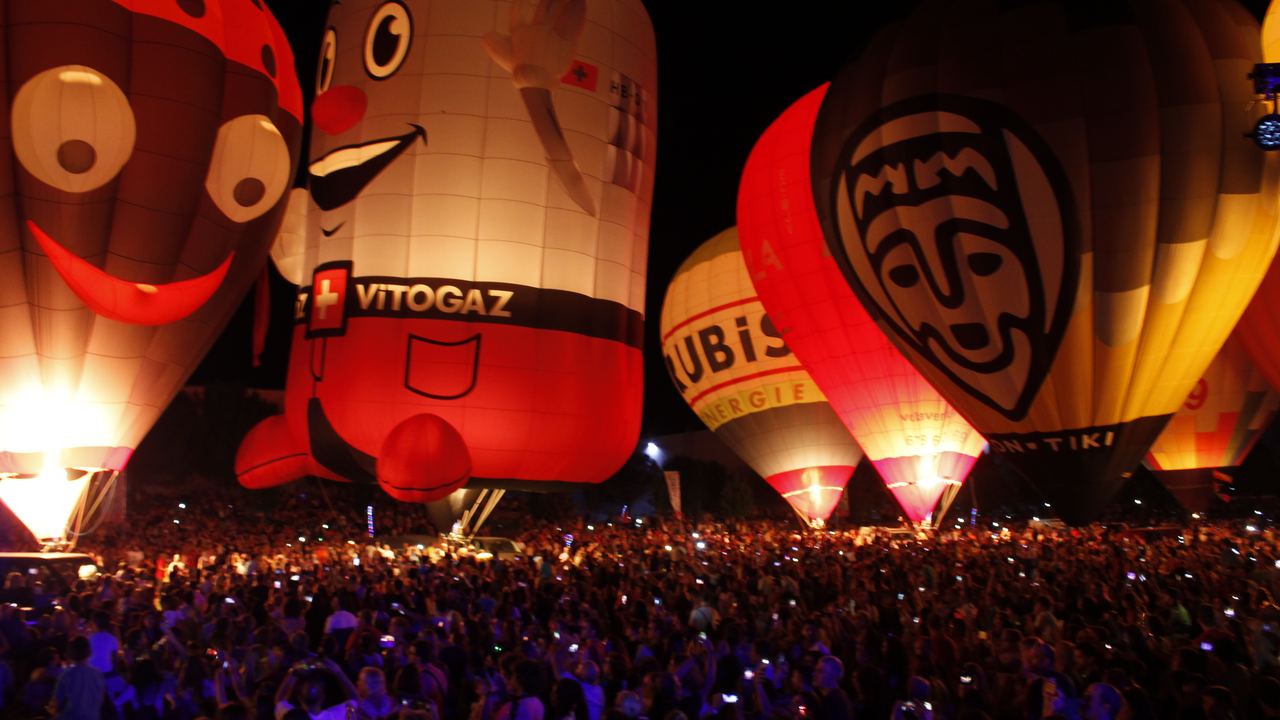
Umbria has never had a balloon festival of its own. It has one now, and it does not behave like the others. The first Umbria Balloon Festival opened on 25 April 2026 and runs until 20 September, spread across fourteen towns instead of parked on one field. Perugia, Assisi, Orvieto, Todi, Terni, Montefalco, Castiglione del Lago and seven more each hold a piece of it. The international rally has two summer stages, and the second one lands at Todi at the end of this week.
| Dates | Where | What happens |
|---|---|---|
| 25 April to 20 September | Fourteen Umbrian towns | First edition, run as a distributed festival |
| 9 to 10 May | Torgiano | Spring stage |
| 24 to 26 July | Castiglione del Lago | International rally stage, Trasimeno Night Glow on 25 and 26 |
| 31 July to 2 August | Todi | Second international rally stage |
| 2 August | Todi, Piazza del Popolo | Night glow, closing show of the summer rally |
| 5 to 6 September | Terni, Alvaro Leonardi airfield | September stage with its own night glow |
What a night glow actually is
The night glow is the part of a balloon festival everyone can attend and most people picture wrongly. The balloons never leave the ground. Crews inflate the envelopes at dusk, tether them to the field or the paving, and then fire the burners in sequence to music, so that ten metres of nylon turns into a lamp for two or three seconds at a time. A line of balloons answering each other across a square is the closest ballooning comes to theatre. It is also the only part of the sport built for several thousand people standing still in the dark.
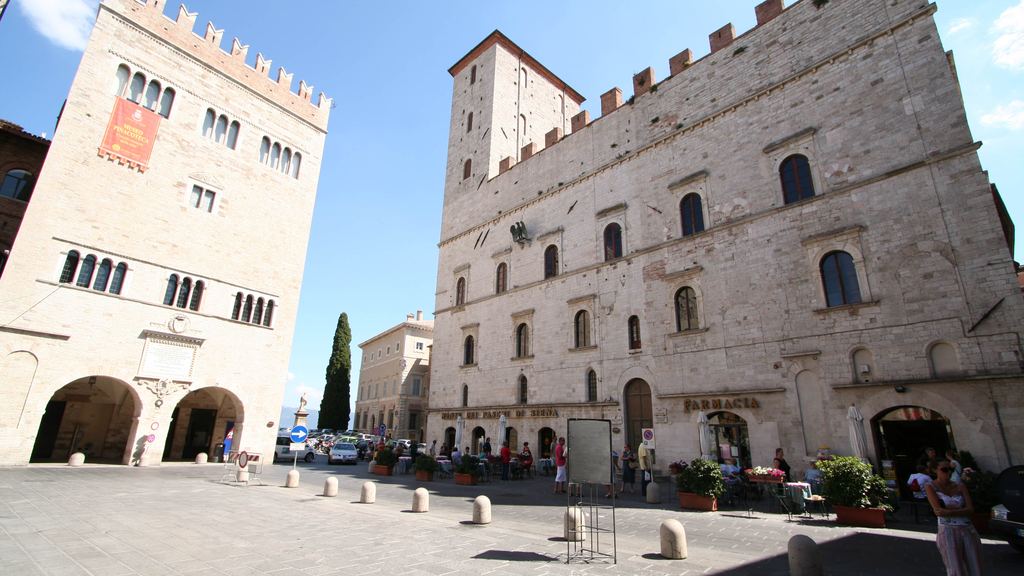
Umbria has three of them on the 2026 calendar. The Trasimeno Night Glow took the evenings of 25 and 26 July at Castiglione del Lago, with the lake behind the balloons. The Todi night glow follows on 2 August in Piazza del Popolo, a harder and a better venue: a medieval square hemmed in on every side, no horizon anywhere. Terni closes the sequence on 5 and 6 September at the Alvaro Leonardi airfield. The evening strand, billed as il gusto di volare, pairs the glows with Umbrian food and wine, which is the correct way to watch one. Glows anchor the evening at balloon festivals worldwide; Umbria has simply put them in better rooms.
Watching a festival is not flying
This is where visitors get caught out. A rally morning is a working morning. Competitors are briefed at first light, crews chase their targets across the valley, marshals keep the launch field clear, and there is no spare seat for someone who turned up with a camera. The festival is worth watching. It does not put anybody in a basket.
Flying is a separate booking, and Umbria has an answer for it. Between the two rally stages, Acquarossa Park at Gualdo Cattaneo stays open to crews for individual take-offs and free flights outside rally days, and paid commercial flights for tourists are organised from the same ground. Away from the festival calendar entirely, the region runs the two morning rides listed in the Umbria section of this site. Book one of those and the festival becomes the evening half of the trip rather than the whole reason for the drive.
The glow is the evening you watch. The flight is the morning you book. Two different tickets, and only one of them leaves the ground.
Why Umbria flies well
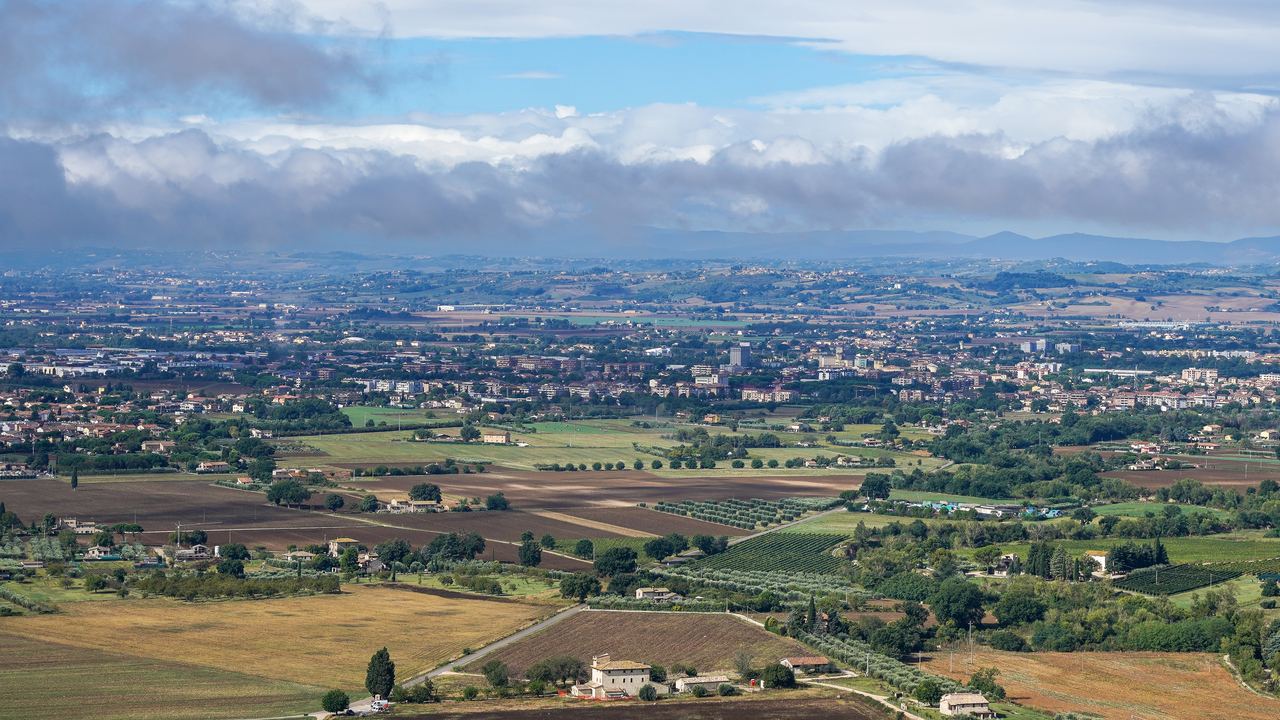
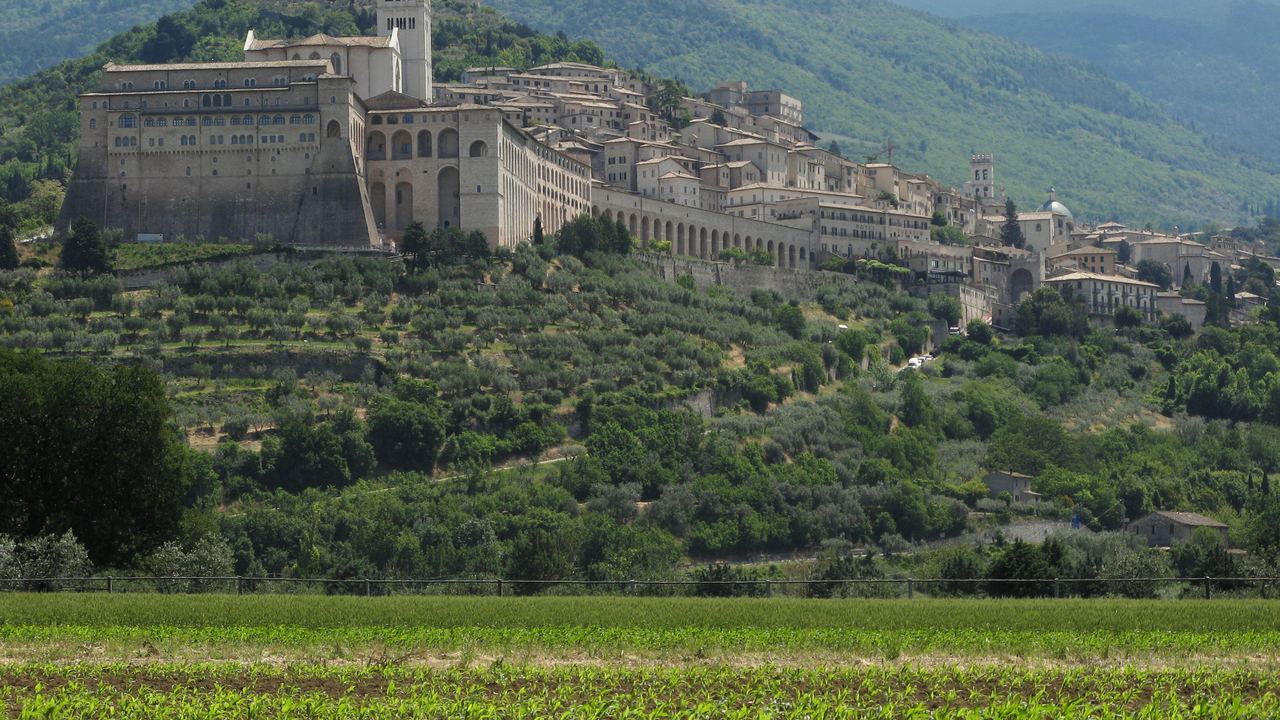
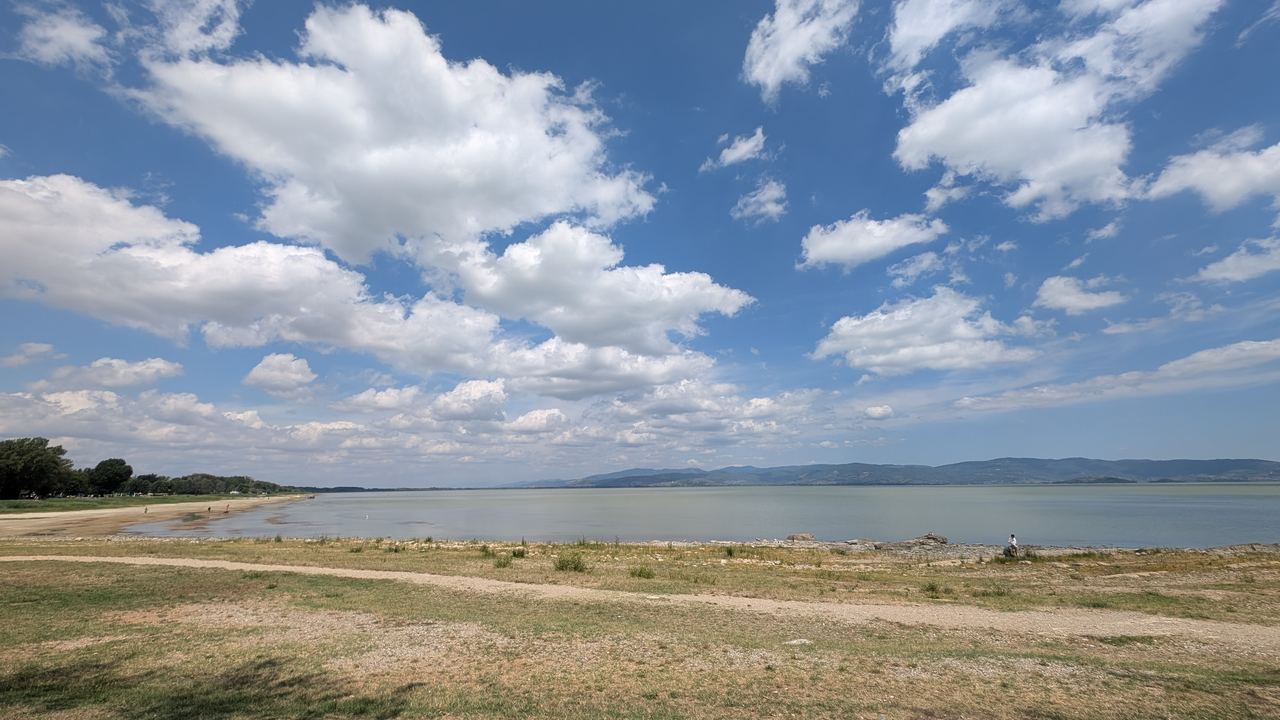
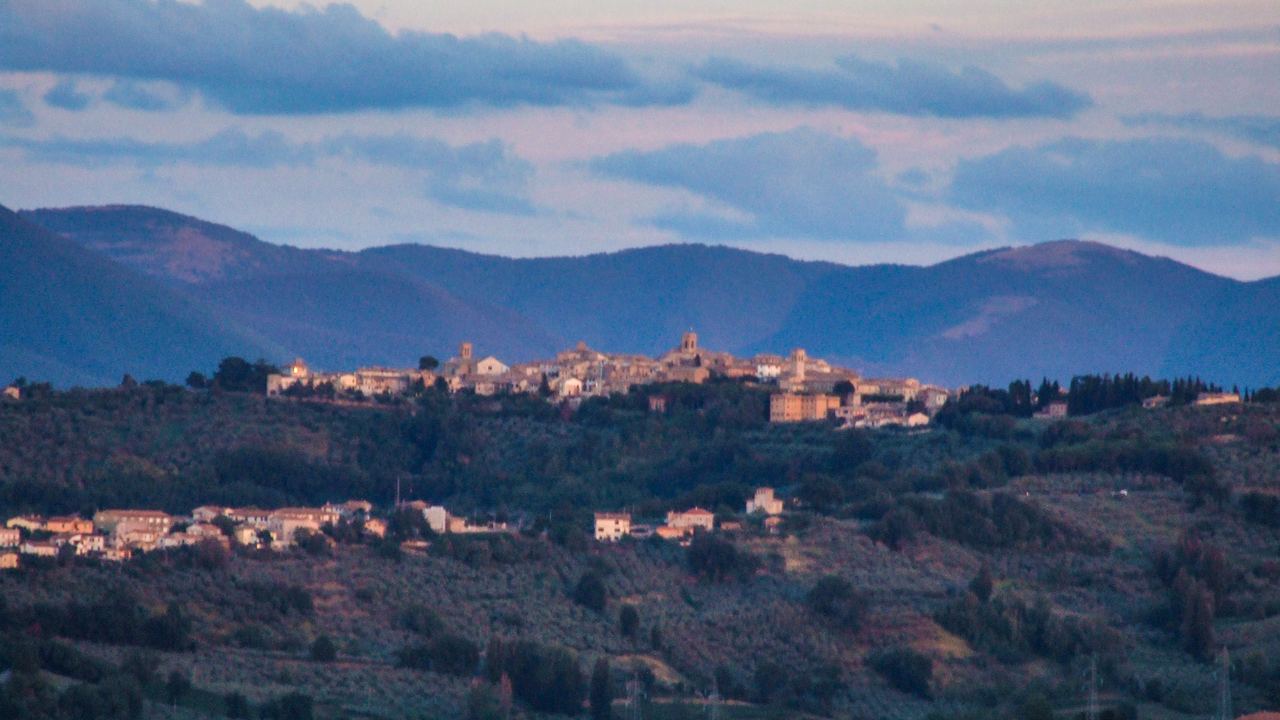
The geography is unusually kind to balloons. The Valle Umbra is the bed of a lake that drained long ago, a flat green floor running from below Assisi past Spello and Foligno towards Montefalco, and flat ground is exactly what the sport needs: launch sites, chase roads, and a choice of landing options when the wind decides otherwise. Monte Subasio rises straight off that floor, terraced with olives most of the way up, so a pilot can stay low over the plain and still have relief in every direction. Lake Trasimeno sits to the west and gives the early light something to work with.
The air matters more than the view. On clear summer nights the valley cools and the cold air settles on the floor of the plain, which is why six in the morning in Umbria is usually a drift rather than a wind. That window shuts fast. By mid-morning the ground is warm, thermals start, and ballooning is finished until the next dawn. Tuscany behaves the same way, which is why the flights out of Florence meet at the same uncivilised hour.
Practical questions
Does going to the festival get you into a basket?
No. Rally mornings belong to the competing crews. Passenger flights are sold separately, either as commercial flights from Acquarossa Park at Gualdo Cattaneo on the days that field is open for them, or through the two rides listed for the region. Treat the night glow as an evening out and the flight as its own morning.
When do the flights leave?
At dawn, and realistically only at dawn. Meeting times move with the sunrise, so a July flight means finding a dark car park and lifting off with the first light on the hills. The guide to picking a season and a slot goes through the trade-offs month by month. One rule holds everywhere: put the ride in the first days of a trip, never the last.
What happens if the weather turns?
The flight does not go. Balloons need light surface wind, workable visibility and no rain, and pilots make that call on the morning itself, sometimes with passengers already standing on the field. Operators normally rebook or refund, which is precisely why the ride belongs at the start of a week rather than the end. Dress for a cold basket and a wet field: the what to wear and bring guide has the list.